The best bleach for skin whitening is not a harsh or unsafe bleaching product. A safer choice is a gentle skin brightening product with a clear ingredient list. It should help dullness, tanning, and uneven tone without damaging the skin barrier.
Avoid creams that promise instant fairness or very fast whitening. Some unsafe skin lightening products may contain mercury, strong steroids, or unapproved ingredients. The FDA warns that skin lightening products may be sold as bleaching, fading, evening, brightening, or whitening products, and some may contain unsafe ingredients.
A good brightening product may include niacinamide, licorice extract, vitamin C, azelaic acid, or mild exfoliating acids. These ingredients can support a more even look over time. For safer results, use sunscreen every morning and stop the product if your skin burns, peels badly, or becomes very red.
What Is Skin Bleach for Whitening?
Skin bleach for whitening is a product made to lighten the look of dark spots, tanning, or uneven skin tone. It may be sold as a whitening cream, lightening cream, fading cream, or brightening product. Some products work gently, while others can be harsh or unsafe.
Skin bleach should not be used to force the skin into a much lighter shade. Your natural skin color is normal and healthy. The safer goal is to reduce dullness and uneven patches, not to damage the skin for instant fairness.
Be careful with products that do not show full ingredients. The FDA says OTC skin lightening products with hydroquinone have not been approved by the FDA for safety or effectiveness, and mercury is not allowed in cosmetics except under very limited conditions.
Is Skin Bleach Safe for Skin Whitening?
Skin bleach is not always safe for skin whitening. Some products may be gentle brightening creams, but others may contain harsh or unsafe ingredients. This is why you should never use a bleach cream without checking the ingredient list.
Unsafe skin bleaching products may contain mercury, strong steroids, or unapproved levels of hydroquinone. The FDA says skin lightening products may be sold as bleaching, fading, evening, brightening, or whitening products, and some can carry safety risks.
A safer choice is a gentle brightening cream with ingredients like niacinamide, licorice extract, vitamin C, or azelaic acid. These ingredients can help uneven tone slowly. Still, sunscreen is needed every morning because sun exposure can make dark spots darker again.
Why Harsh Bleach Can Damage Skin
Harsh bleach can damage the skin barrier. When the skin barrier is weak, the face may become dry, red, itchy, or sensitive. Some people may also feel burning or peeling after using strong bleaching products.
Long-term use of unsafe skin lightening products can cause more serious problems. The FDA warns that mercury is not allowed in most cosmetics, and OTC skin lightening products with hydroquinone have not been approved by the FDA for safety or effectiveness.
Harsh bleach can also make pigmentation worse if it irritates the skin. Irritated skin may heal with darker marks, especially on deeper skin tones. For safer brightening, choose gentle products, use them as directed, and stop if your skin burns or becomes very red.
Why Patch Testing Is Important
Patch testing is important because it helps you check how your skin may react to a new brightening product. Some creams can cause redness, itching, burning, dryness, or small bumps, especially on sensitive skin.
Apply a small amount of the product on a small area first. Wait and watch for any reaction before using it on your full face. This simple step can help you avoid irritation and skin damage.
Patch testing is even more important for whitening or brightening products because some may contain strong active ingredients. If your skin burns, peels badly, or turns very red, stop using the product and choose a gentler option.
Best Ingredients for Safe Skin Brightening
The best ingredients for safe skin brightening are gentle and clearly listed on the label. Good options include niacinamide, licorice extract, vitamin C, azelaic acid, and mild AHAs. These can help dullness, uneven tone, and dark spots slowly.
Moisturizing ingredients also matter. Glycerin, ceramides, hyaluronic acid, panthenol, and aloe vera can help support the skin barrier. When the skin is hydrated and calm, it often looks smoother and brighter.
Avoid unsafe whitening creams with hidden mercury, strong steroids, or unknown bleaching agents. A safe brightening product should improve the look of skin over time without harsh peeling, burning, or damage.
Niacinamide for Dark Spots
Niacinamide is a gentle brightening ingredient that can help reduce the look of dark spots over time. It is often used for acne marks, dullness, and uneven skin tone. It also supports the skin barrier, which helps the face look calm, smooth, and healthy.
Niacinamide does not give instant fairness. It works slowly with regular use. In the first few weeks, the skin may look fresher and less dull. Deeper marks may need more time, especially if they are caused by sun exposure or old acne.
Use niacinamide at night with a light cream or serum. In the morning, apply sunscreen. This helps protect the skin because sunlight can make dark spots darker again.
Licorice Extract for Uneven Skin Tone
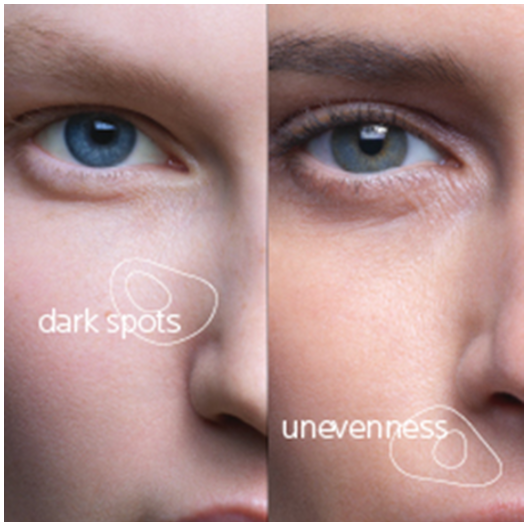
Licorice extract is used in many brightening products for uneven skin tone. It may help improve the look of dullness, tanning, and mild dark patches. It is also known for its soothing effect, which can help the skin look calmer.
This ingredient does not bleach the skin. It supports gradual brightening and a more balanced skin tone. It can be a good choice for people who want a gentle option instead of harsh whitening products.
Licorice extract works best with regular use. Apply it as directed, keep the skin moisturized, and use sunscreen every morning. With time, the skin may look softer, clearer, and more even.
AHAs for Dead Skin Removal
AHAs are alpha hydroxy acids. They help remove dead skin cells from the top layer of the skin. Common AHAs include glycolic acid and lactic acid.
When dead skin builds up, the face can look dull, rough, and uneven. AHAs can help the skin look smoother and brighter over time. They do not bleach the skin, but they can support a fresh and clean look.
Use AHAs carefully, especially if your skin is sensitive. Too much use can cause dryness, stinging, redness, or peeling. Always apply sunscreen in the morning because AHAs can make skin more sensitive to sunlight.
Best Bleach for Different Skin Types
The best bleach for different skin types should be gentle, clear, and safe to use. It should not burn, peel, or damage the skin. A safer option is often a brightening product with ingredients like niacinamide, licorice extract, vitamin C, azelaic acid, or mild AHAs.
For oily skin, choose a lightweight and non-greasy brightening product. Gel creams or oil-free formulas are better because they feel lighter and are less likely to clog pores.
For dry skin, choose a cream with hydrating ingredients like glycerin, ceramides, hyaluronic acid, or panthenol. These help the skin stay soft and smooth.
For sensitive skin, choose a fragrance-free and gentle product. Avoid harsh bleach, strong acids, and unknown whitening creams. Patch test first before using it on your full face.
For Oily Skin
For oily skin, choose a light brightening product instead of a heavy bleach cream. Gel creams, oil-free lotions, and non-greasy formulas usually feel better on oily skin.
Look for ingredients like niacinamide, licorice extract, or azelaic acid. These can help uneven tone without making the face feel too heavy. Avoid thick creams, heavy oils, and strong fragrance because they may clog pores or cause breakouts.
For Dry Skin
For dry skin, choose a brightening cream that also gives deep moisture. Dry skin can look dull, rough, and tired, so hydration is very important.
Look for ingredients like glycerin, hyaluronic acid, ceramides, panthenol, or aloe vera. These help the skin feel soft and smooth. Avoid harsh bleach or strong peeling products because they can make dryness worse.
For Sensitive Skin
For sensitive skin, choose a gentle and fragrance-free brightening product. Sensitive skin can react quickly to harsh bleach, strong acids, and unknown whitening creams.
Look for calming ingredients like niacinamide, aloe vera, panthenol, glycerin, or ceramides. Patch test first before using the product on your full face. If your skin burns, peels badly, or turns very red, stop using it.
How to Use Skin Bleach Safely
Use skin bleach very carefully because some products can irritate or damage the skin. Choose a trusted product with a clear ingredient list, and avoid creams that promise instant whitening. The FDA says skin lightening products may be sold as bleaching, fading, evening, brightening, or whitening products, and some can carry safety risks.
Do a patch test before using any bleach or brightening cream on your full face. The American Academy of Dermatology says testing a skin care product on a small area first can help you see if it may cause irritation.
Never use bleach on broken, burned, peeling, or irritated skin. Stop using it if your skin burns, swells, itches badly, or turns very red.
Cleanse Your Face First
Cleanse your face before applying skin bleach. This removes oil, sweat, dirt, sunscreen, and makeup. Clean skin helps the product spread more evenly.
Use a gentle face wash and lukewarm water. Do not scrub hard, because rubbing can irritate the skin. Pat your face dry with a clean towel before applying the product.
Apply for the Right Time
Apply the product only for the time written on the label. Do not leave it on longer to get faster results. More time can increase the risk of burning, redness, dryness, and peeling.
Use a thin, even layer and avoid the eye area, lips, nostrils, and any cuts. If the product starts burning strongly, rinse it off right away.
Rinse Gently
Rinse the bleach gently with cool or lukewarm water. Do not scrub while removing it. Harsh rubbing can make the skin more sensitive.
After rinsing, pat your skin dry and apply a gentle moisturizer. Avoid strong acids, retinol, or exfoliating products right after bleaching. In the morning, use sunscreen because brightening routines can make the skin more sensitive to sunlight.
Moisturize After Bleaching
Moisturize after bleaching to help calm and protect the skin. Bleach can make the skin feel dry, tight, or sensitive, so a gentle moisturizer is important.
Choose a simple moisturizer with ingredients like glycerin, aloe vera, ceramides, panthenol, or hyaluronic acid. These can help support the skin barrier and reduce dryness.
Avoid strong products right after bleaching. Do not use retinol, AHAs, scrubs, or harsh toners on the same area. Keep the routine soft and simple so the skin can recover.
Common Mistakes to Avoid
Common mistakes can make bleaching unsafe and can damage the skin. One mistake is using strong bleach for fast whitening. Another mistake is using too many brightening products at the same time.
Always follow the product directions and do a patch test first. Avoid unknown products with no clear ingredient list. If the skin burns, peels badly, swells, or turns very red, stop using the product.
Use sunscreen in the morning. Without sunscreen, dark spots and tanning can return or look worse again.
Using Bleach Too Often
Using bleach too often can make the skin dry, weak, and irritated. It may cause redness, burning, itching, peeling, or breakouts.
Bleach should not be used daily unless the product label clearly says it is safe for daily use. Even then, sensitive skin may not tolerate it well.
More use does not mean faster or better results. Safe brightening takes time. Give your skin time to rest between uses.
Applying Bleach on Irritated Skin
Applying bleach on irritated skin can make the problem worse. Do not use bleach on skin that is red, itchy, sunburned, peeling, cut, or freshly waxed.
Irritated skin has a weaker barrier. Bleach can sting more and may lead to stronger redness, dryness, or dark marks after healing.
Wait until the skin feels normal again before using any brightening product. For sensitive or damaged skin, choose a gentle moisturizer first.
Skipping Sunscreen After Bleach
Skipping sunscreen after bleach is a big mistake. Bleaching or brightening products can make the skin more sensitive to sunlight. If you go outside without sunscreen, dark spots, tanning, and uneven tone may come back faster.
Use sunscreen every morning, even if you bleach only at night. Choose a broad-spectrum sunscreen and apply it before sun exposure. Reapply it if you sweat, wash your face, or stay outdoors for a long time.
Sunscreen helps protect the skin barrier and supports safer brightening results. Without it, bleach may give short-term brightness but long-term dullness or darker patches.
Safer Alternatives to Skin Bleach
Safer alternatives to skin bleach can help brighten the skin without harsh damage. These options work slowly, but they are usually gentler on the skin.
Look for products with clear ingredients like niacinamide, licorice extract, vitamin C, azelaic acid, mild AHAs, glycerin, ceramides, or hyaluronic acid. These can help with dullness, uneven tone, and mild dark spots over time.
Avoid unknown whitening products that promise instant fairness. Safe brightening should make skin look healthy, fresh, and even, not burned, peeled, or irritated.
Brightening Night Cream
A brightening night cream is a safer option for people who want gradual glow. It works while you sleep and helps the skin feel soft, smooth, and hydrated.
Good night creams may contain niacinamide, licorice extract, vitamin C, or mild acids. These ingredients can support a more even look with regular use.
Use it on clean skin at night. In the morning, apply sunscreen to protect your results.
Whitening Serum
A whitening serum is a lightweight product used before moisturizer or night cream. It often contains brightening ingredients in a light texture, so it absorbs quickly.
Serums with niacinamide, vitamin C, licorice extract, or azelaic acid may help reduce the look of dullness and dark spots over time.
Use only a few drops and do not mix too many strong products at once. If your skin feels irritated, use it less often or switch to a gentler formula.
Sunscreen for Pigmentation Control
Sunscreen is very important for pigmentation control. Dark spots, tanning, melasma, and acne marks can look worse when the skin is exposed to sunlight. Even if you use a brightening cream or serum, your results may slow down if you skip sunscreen.
Use a broad-spectrum sunscreen every morning. The American Academy of Dermatology says treatment for dark spots begins with sunscreen, and it should be used every day to help fade dark spots and stop new ones from forming.
Choose SPF 30 or higher if possible, especially if you spend time outdoors. Cleveland Clinic also recommends SPF 30 or higher for daily use for people of color.
Apply sunscreen as the last step of your morning skin care routine. Reapply it if you sweat, wash your face, or stay outside for a long time. For better protection, also use shade, sunglasses, caps, or a scarf when the sun is strong.
FAQs About Best Bleach for Skin Whitening
Skin bleach is often used to make the skin look brighter, but it should be used with care. Some products may help with dullness or mild uneven tone, while others can be harsh and unsafe.
The best option is not the strongest bleach. It is a safe product with a clear ingredient list, gentle use directions, and no hidden harmful ingredients. Avoid products that promise instant fairness or very fast whitening.
Can Bleach Whiten Skin Permanently?
No, bleach cannot whiten skin permanently. It may make facial hair look lighter or give the skin a temporary brighter look, but it does not change your natural skin color forever.
Pigmentation can also come back if you skip sunscreen or keep getting sun exposure. For long-term improvement, use gentle brightening products, protect your skin from the sun, and stay consistent.
How Often Should I Use Skin Bleach?
Use skin bleach only as directed on the product label. Do not use it daily unless the product clearly says it is safe for daily use.
Using bleach too often can cause dryness, burning, redness, peeling, or irritation. Many people need a gap between uses so the skin can recover. If your skin feels sensitive after bleaching, wait longer before using it again.
Can Sensitive Skin Use Bleach?
Sensitive skin should be very careful with bleach. Harsh bleach can cause burning, redness, itching, dryness, or dark marks after irritation.
If you have sensitive skin, choose a gentle brightening cream instead of strong bleach. Patch test first before using any product on your full face. Stop using it if your skin burns, swells, peels badly, or turns very red.
Is Bleach Better Than Whitening Cream?
Bleach is not always better than whitening cream. Bleach may give a quick bright look, but it can also irritate the skin if used too often or used wrongly.
A gentle whitening cream or brightening serum is usually better for regular use. It works slowly, but it can help dullness, uneven tone, and dark spots with less risk when used properly.
Final Thoughts on the Best Bleach for Skin Whitening
The best bleach for skin whitening should be gentle, safe, and used only as directed. It should not burn, peel, or damage the skin.
For safer results, avoid harsh bleach and choose products with clear ingredients. Brightening creams, serums, and sunscreen can support a more even skin tone over time.
Healthy skin should always come first. A safe routine may take longer, but it is better than quick whitening that harms the skin.